Wondering if buying a condo in Norwalk is the right first move out? If you are ready to leave renting, move out on your own, or buy your first place without stretching into a higher single-family price point, Norwalk gives you a practical entry into Fairfield County. The key is knowing that the best condo choice is not just about the list price. It is about the full monthly cost, the building’s financial health, your commute, and how the location fits your day-to-day life. Let’s dive in.
Why Norwalk makes sense
For many first-time buyers, Norwalk stands out because it offers a condo path into Fairfield County at a lower price point than the broader local housing market. Current condo listings in Norwalk show a small but active supply, with about 32 condos for sale and a median listing price of $449K. By comparison, Norwalk’s overall median sale price for all home types was $692K in February 2026.
That gap matters if you want ownership, but need a more manageable first step. A condo can give you a foothold in the market while keeping you close to rail access, shoreline amenities, and many of the lifestyle benefits that draw buyers to this part of Fairfield County.
The market is still competitive, though. Homes in Norwalk are averaging 67 days on market, which means you should be prepared with financing and a clear sense of your priorities before the right unit appears.
Compare buildings, not just prices
One of the biggest mistakes first-time buyers make is focusing only on square footage or asking price. In Norwalk, the better approach is to compare building by building.
A condo near downtown and South Norwalk station may offer a more walkable routine and easier train access. A near-water or waterfront building may offer a different lifestyle, with views, marina access, or quicker trips to parks and shoreline spaces. Those are very different living experiences, even if two units look similar on paper.
This is why location-specific convenience matters. You are not just buying the unit itself. You are buying how the building fits your commute, your budget, and your everyday routine.
Think about your daily routine
Before you fall in love with finishes, ask yourself a few practical questions:
- How often will you commute by train?
- Do you want to walk to dining, parks, or entertainment?
- Would you use coastal amenities regularly?
- Do you need parking, elevator access, or on-site fitness space?
- Are you comfortable with a busier downtown setting, or would you prefer a quieter pocket?
Your answers will help narrow which buildings are worth serious attention.
Understand the real monthly cost
The most important number may not be the purchase price. It is the full monthly carrying cost.
In Norwalk, HOA fees vary widely. Current examples include a $250 HOA at 163 S Main St, while 100 Seaview Ave shows a $667 HOA that includes items such as grounds maintenance, insurance, property management, and pool service. Another example at 111 Rowayton Ave was reported at $1,453, and 142 East Ave shows a $523 HOA with amenities including a clubhouse or lounge, fitness room, elevator, parking, and direct water access.
That range shows why two condos with similar asking prices can feel very different once you own them. A higher HOA fee is not automatically bad, and a lower fee is not automatically better. What matters is what the fee covers, whether reserves are healthy, and whether the building is being managed responsibly.
Build a realistic budget
When you compare condos, include:
- Mortgage payment
- Property taxes
- HOA dues
- Insurance costs
- Possible flood insurance if needed
- Utilities not covered by the HOA
- Parking or storage fees if separate
Looking at the full monthly payment will give you a much clearer picture than list price alone.
Review taxes carefully
Property taxes can change your budget more than you might expect. According to the City of Norwalk tax information, real estate tax rates for the 2024 grand list billed in July 2025 and January 2026 ranged from 22.3924 mills in District 6 to 23.9459 mills in District 4.
That means two similarly priced condos may carry noticeably different tax bills depending on the tax district and assessment. The city also notes that the 2023 citywide revaluation is being phased in over four fiscal years, so it is smart to review current tax figures carefully when you evaluate affordability.
Check the condo documents closely
For a first-time buyer, the condo association matters just as much as the unit. Connecticut law requires important resale disclosures through the resale certificate process.
Under Connecticut’s Common Interest Ownership Act, disclosure materials can include monthly common expense assessments, unpaid assessments, other fees, reserve amounts, operating budget, approved capital expenditures, pending legal or administrative matters, insurance coverage, restrictions on sale or leasing, delinquency counts, and recent audit information.
That is a long list, but it gives you a valuable window into the building’s financial and operational health.
Questions to ask before you buy
When reviewing a condo in Norwalk, ask:
- How much of the monthly assessment goes into reserves?
- Are any special assessments expected?
- Is the building putting off major maintenance?
- Are there restrictions on rentals?
- Are pets allowed, and are there limits?
- Are there renovation rules that could affect future updates?
- How many owners are behind on dues?
These answers can affect both your monthly costs and your long-term resale flexibility.
Make sure your financing fits the building
Condo financing is not always just about your credit and down payment. Sometimes the building itself affects which loan options are available.
HUD states that an FHA condominium project must be approved before FHA mortgage insurance can be processed for individual units, although individual-unit approval may be possible in some cases. For buyers looking at lower down payment options, that detail can make a big difference.
CHFA programs may also help. The Connecticut Housing Finance Authority says its Time To Own down payment assistance program was updated in March 2026 with about $35.6 million available for reservations. The program offers 0% interest with no monthly payment, with 10% of principal forgiven each year over 10 years. CHFA also notes that its DAP loan can cover 4% of the sales price or appraised value, with a minimum loan of $3,000, and homebuyer education is required before closing.
If you plan to use FHA or CHFA financing, confirm early that the condo and project meet program standards. It is much better to know that upfront than after you are emotionally invested in a unit.
Weigh commute and transit access
If you will commute, transit access should be part of your building search from day one. South Norwalk station is downtown and accessible, and the MTA notes that the Maritime Aquarium is about a 10-minute walk from the station.
Other stations serve different parts of the city, but access details vary. East Norwalk has no accessible path between platforms, while Rowayton has ramp access but no accessible path between platforms. If rail is central to your routine, compare station convenience, walkability, and access details along with condo fees and taxes.
A condo that saves you time every weekday may deliver more value than a slightly larger unit in a less convenient location.
Factor in shoreline access and flood risk
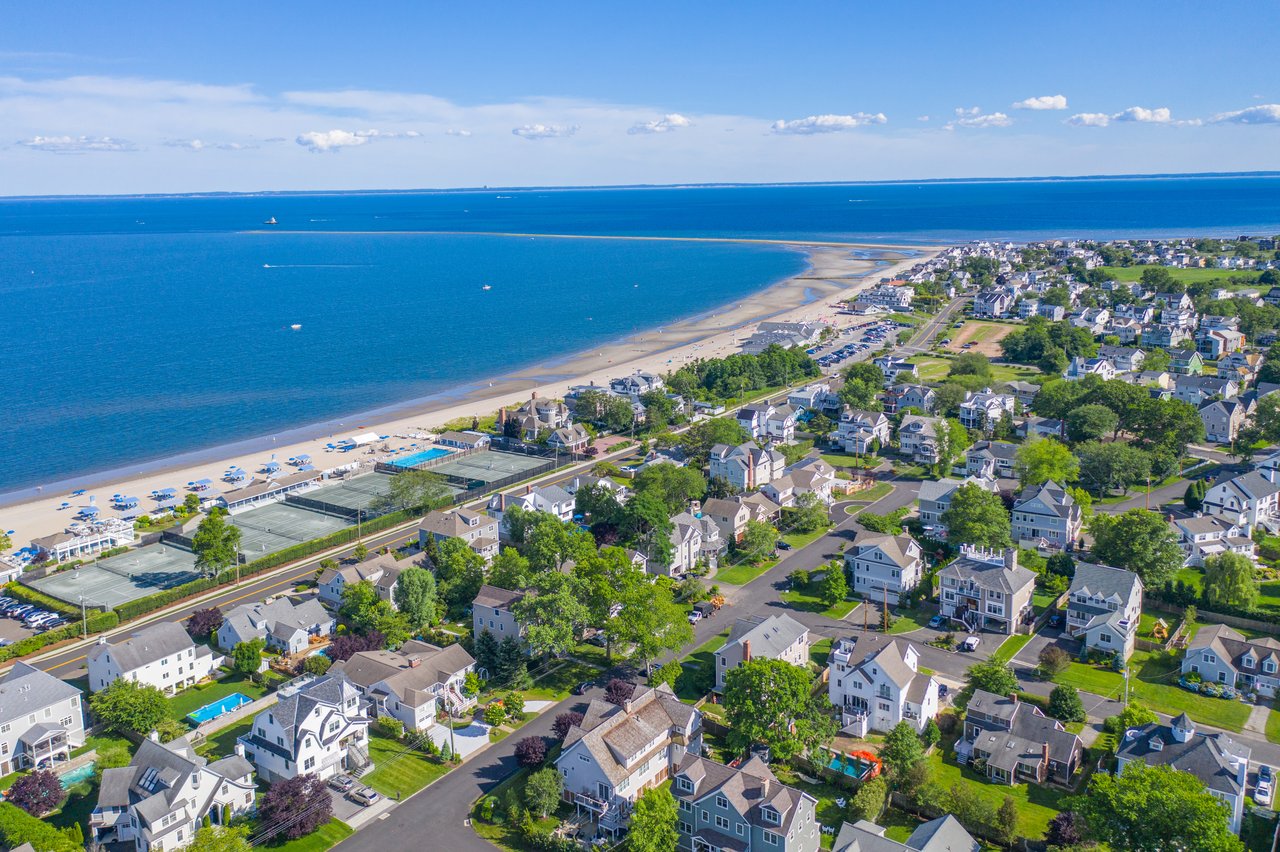
Norwalk’s coastal setting is a big part of its appeal. The city highlights destinations such as Calf Pasture Beach, Shady Beach, Veterans Memorial Park and Marina, and Oyster Shell Park, with amenities that include walking paths, harbor views, a fishing pier, marina access, and boat launch areas.
That said, coastal living also calls for extra due diligence. FEMA’s Flood Map Service Center is the official source for flood hazard maps, and Connecticut notes that homes, condos, or businesses in a high-risk flood zone with a government-backed mortgage generally must carry flood insurance.
If you are considering a near-water or waterfront condo, check flood exposure early. It may affect insurance costs, loan requirements, and long-term resale considerations.
A smart first condo strategy
If you are buying your first place in Norwalk, the smartest move is to think in terms of tradeoffs. A lower list price may come with higher dues. A great waterfront setting may carry added flood-related costs. A more convenient commute may be worth paying for if it improves your everyday life.
The goal is not to find the cheapest condo. The goal is to find the condo that gives you the best fit across price, monthly payment, building health, financing options, and location.
With the right strategy, a condo in Norwalk can be a practical and exciting first step into homeownership. If you want thoughtful guidance as you compare Fairfield County options, Gina Hackett offers principal-led, local insight to help you evaluate not just the listing, but the bigger picture behind it.
FAQs
What should first-time buyers know about condo prices in Norwalk, CT?
- Norwalk condos may offer a lower-cost entry point than the city’s broader housing market, but you should compare the full monthly cost, not just the asking price.
What should buyers review in a Norwalk condo association?
- You should review HOA dues, reserve funding, special assessment risk, operating budget, insurance, delinquency levels, and any rules affecting pets, rentals, parking, or renovations.
What should buyers budget beyond the condo purchase price in Norwalk, CT?
- You should budget for mortgage, taxes, HOA dues, insurance, utilities, and possible flood insurance depending on the building’s location.
What should commuters consider when buying a condo in Norwalk, CT?
- You should compare each building’s access to stations like South Norwalk, East Norwalk, or Rowayton, along with walkability and platform accessibility.
What should waterfront condo buyers check in Norwalk, CT?
- You should check flood zone information, potential insurance requirements, and how the building’s location may affect monthly costs and long-term resale value.
What financing help may be available for first-time condo buyers in Connecticut?
- Buyers may be able to use CHFA programs such as Time To Own or DAP, but they should also confirm that the condo project meets loan program requirements.