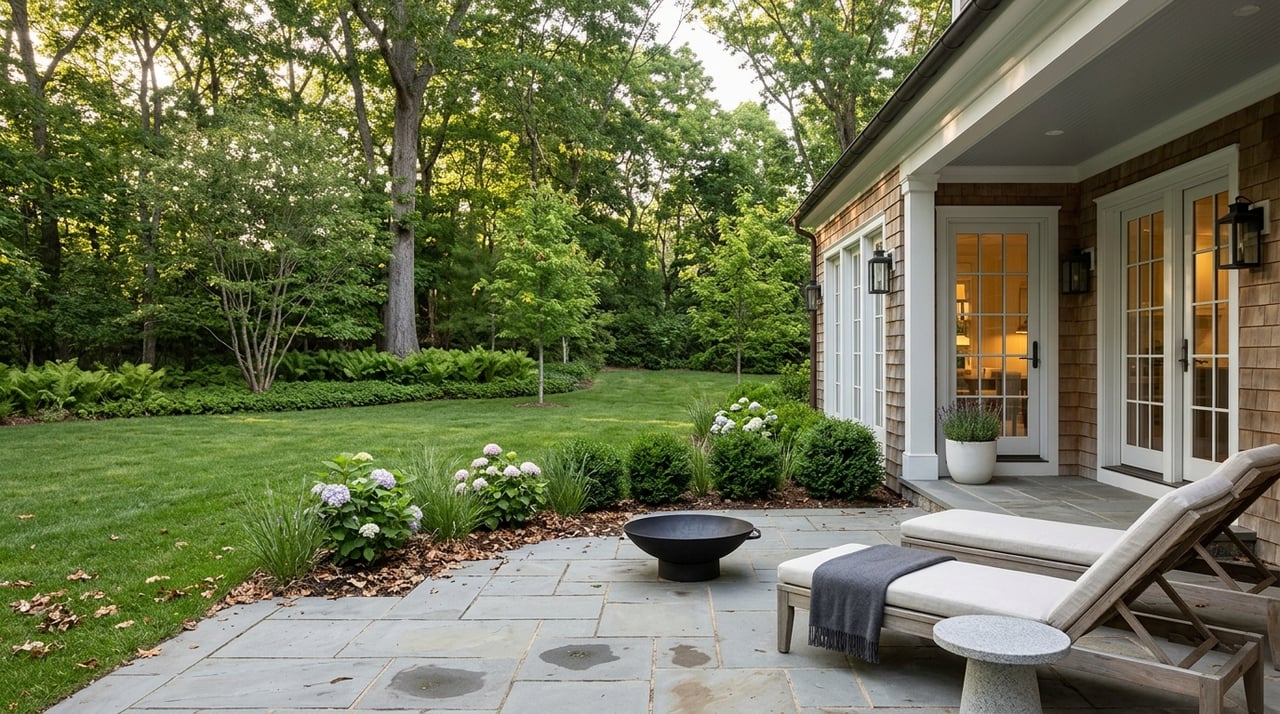
If you are looking for a Fairfield County town where weekends naturally lead outdoors, Redding deserves a close look. This is not a compact, sidewalk-heavy suburb. It is a wooded, ridge-and-valley town with a strong open-space identity, and Redding Ridge stands out as one of its distinct village-like hamlets. If you are considering a move or simply want to understand the lifestyle, this guide walks you through the trails, parks, farms, and everyday recreation that shape outdoor living here. Let’s dive in.
Why Redding Ridge Feels So Outdoorsy
Redding’s landscape helps explain its appeal right away. According to the town’s Plan of Conservation and Development, the community spans nearly 32 square miles of hilly terrain, with north-south ridges and steep-sided valleys. That larger setting gives Redding a more tucked-into-nature feel than many nearby towns.
Redding Ridge is not just a road name or a vague area label. The town recognizes it as its own local node, even listing a Redding Ridge post office, and local land conservation resources describe it as the town’s southeast hamlet. If you are drawn to a village-style pocket within a low-density, wooded setting, that identity is part of what makes the area memorable.
The town’s long-standing zoning history also supports that rural character. The Zoning Commission notes that regulations adopted in 1950 were intended to preserve Redding’s predominantly residential and farming character, with two-acre zoning adopted in 1953 outside Georgetown to help preserve that feel. In practical terms, that often translates to homes set among trees, winding roads, and a lifestyle shaped more by land and landscape than by dense development.
Trails Are a Major Lifestyle Draw
For many buyers, the biggest outdoor headline is the scale of the local trail network. The Redding Land Trust reports roughly 77 miles of trail on Redding ground, while the town highlights over sixty miles of trails maintained with help from volunteer Trail Tenders. The same partnership between the town and Land Trust also supports more than 2,000 acres of protected open space.
That matters because outdoor living here is not limited to one park or one trailhead. You have a broad system that can support quick morning walks, longer weekend hikes, and repeat exploration over time. If outdoor access is part of how you define quality of life, Redding gives you real depth.
The trail network also extends beyond town lines. The town’s open-space plan notes connections into Weston and Easton through Devil’s Den and the Saugatuck and Aspetuck trail corridors, north into Bethel and Danbury through the Ives Trail area, and west toward Ridgefield. For you as a resident, that means the landscape feels connected rather than isolated.
Signature Trails and Preserves
Several preserves and named trail systems stand out in a Redding outdoor living guide. The Redding Land Trust trail resources point to well-known destinations such as Turkington Falls Natural Area, Saugatuck Falls Natural Area, Mary Anne Guitar Preserve, the Ives Trail, the Saugatuck Trail, and the Aspetuck Trail. These names come up often because they help define how people use and experience the town.
One of the region’s best-known outdoor destinations is the Lucius Pond Ordway Devil’s Den Preserve. The Nature Conservancy describes it as an 1,800-acre preserve in Weston and Redding with a 20-mile trail system and sunrise-to-sunset access. Passive recreation includes hiking, birding, nature study, and cross-country skiing, and it is described as Connecticut’s most frequently visited preserve.
For a buyer thinking long term, that kind of access can shape everyday routines in a meaningful way. You are not just near green space. You are near a regionally significant preserve that supports year-round outdoor use and adds to the sense of living within a larger conservation landscape.
Parks Add More Than Hiking
Redding’s outdoor appeal is broader than trail mileage alone. Huntington State Park and Putnam Memorial State Park bring a wider mix of recreation and local character. Huntington State Park includes options for canoeing, cross-country skiing, fishing in five ponds, hiking, horseback riding, and mountain biking.
Putnam Memorial State Park adds a different dimension. It is the site of the Continental Army’s 1779 winter encampment and includes reconstructed log buildings and a museum. If you enjoy places that combine outdoor space with local history, it is one more example of how Redding offers variety rather than a one-note lifestyle.
Topstone Park and Summer Recreation
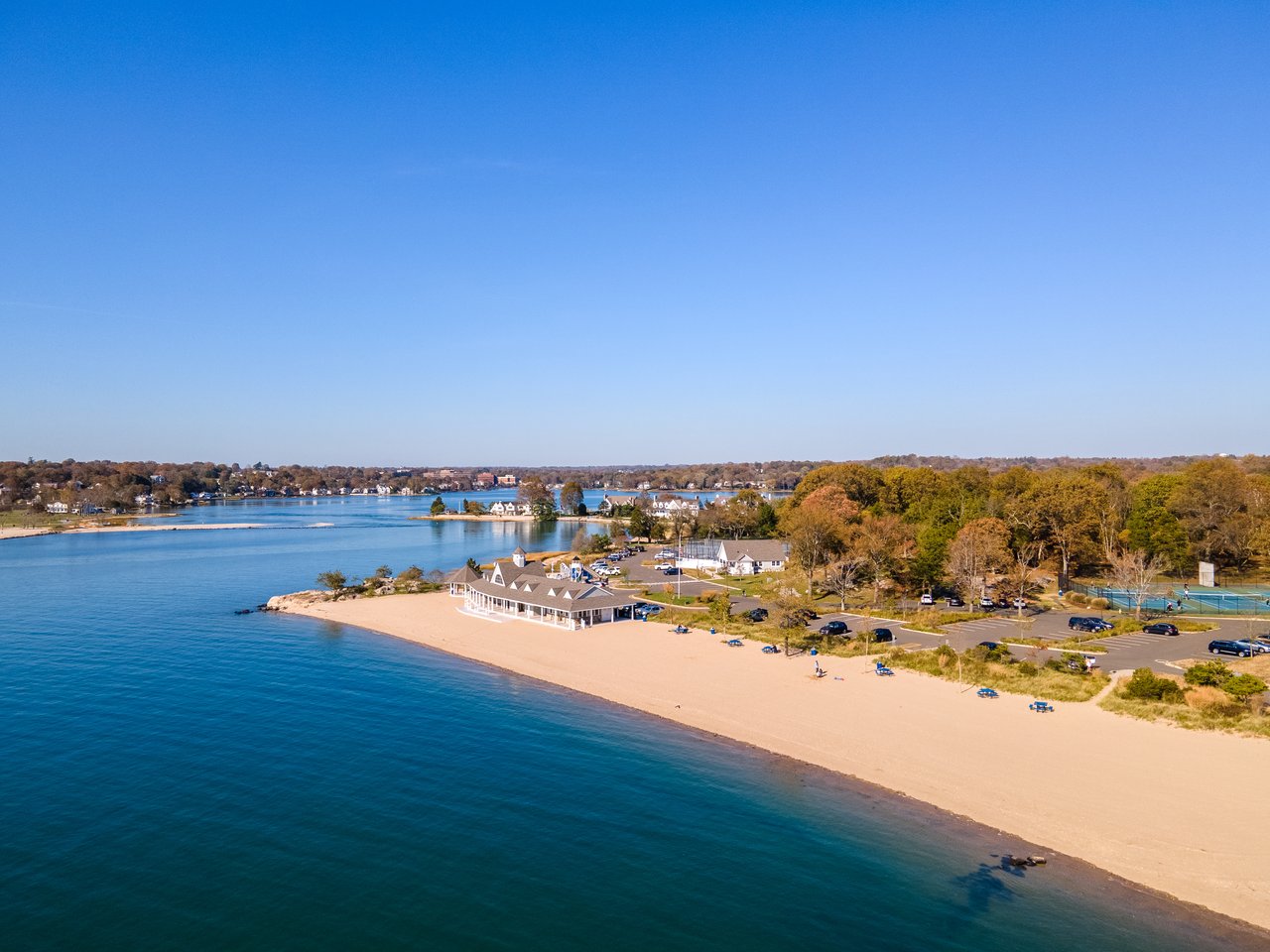
If you want a more active, everyday recreation setting, Topstone Park is an important part of the local picture. The town’s swimming and beach information notes that Topstone Park Beach opens Memorial Day weekend, shifts through weekend-only hours, and then moves into daily summer hours beginning June 14. Resident, guest, and non-resident fees are posted by the town.
That kind of amenity helps balance the wilder side of Redding’s outdoor identity. You have preserved land and hiking trails, but you also have a clear summer destination for swimming and relaxed seasonal outings. For many households, that mix makes the town feel easier to use day to day.
Tennis, Pickleball, and Community Spaces
Outdoor living in Redding also includes community recreation beyond the woods. The town says the Redding Community Center courts include four newly surfaced outdoor tennis courts and two dedicated pickleball courts, along with indoor pickleball in the gym. Courts are available to residents and guests on a first-come, first-served basis, with some reservation options during peak times.
Seasonal events also contribute to the town’s rhythm. The town’s Concerts on the Green series takes place on Sunday evenings in summer at the Redding Town Green. Nearby, the Parade Path serves as a volunteer-run public garden and walking path that works as a year-round strolling and gathering space.
Taken together, these amenities suggest a lifestyle built around fresh air, local routines, and shared public spaces. You are more likely to picture a summer evening on the green or a weekend walk than a dense nightlife district. For many buyers, that is exactly the point.
Farms and Nature Centers Enrich Daily Life
Redding’s outdoor lifestyle is also tied to farms and environmental education. New Pond Farm is a year-round environmental education center on 102 protected acres of woodlands, wetlands, meadows, and pastures in West Redding. Its Dairy Annex information also notes Connecticut Department of Agriculture Dairy Farm of Distinction recognition and on-site sales of milk and other products.
Marchant Farm adds another layer, with its identity as a family-owned farm and equestrian center in Redding. The farm offers produce, honey, and horse-related offerings, reinforcing the area’s connection to working land and rural traditions.
Highstead is another notable destination, blending conservation, education, and walking trails. Its Redding preserve spans more than 100 acres and includes a 1.5-mile trail system, along with visitor resources and programming. If you value places that make nature easier to explore and understand, this is part of what rounds out the town’s appeal.
What Homes Feel Like Near Redding Ridge
When buyers ask what daily life feels like here, the best answer is often low-density and wooded, with village-style pockets rather than subdivision-style repetition. The town’s topography, preservation-minded zoning history, and conservation pattern all support that impression. In and around Redding Ridge, you can feel that balance between a small hamlet identity and a broader natural setting.
That can be especially appealing if you are moving from a denser environment and want more privacy, more land, and more connection to the outdoors. At the same time, the area still offers recognizable community anchors, from trail systems and parks to farms and seasonal town events. It is a lifestyle that feels grounded in place.
If you are exploring homes in Redding Ridge or elsewhere in Fairfield County, outdoor access is not just a nice extra here. It is part of the value story. Understanding how a town lives, not just how it looks on paper, can help you make a smarter move.
If you want guidance on finding the right fit in Redding Ridge or across Fairfield County, connect with Gina Hackett for thoughtful, local insight tailored to your goals.
FAQs
What makes outdoor living in Redding Ridge unique?
- Redding Ridge combines a distinct hamlet identity with access to a wooded, low-density town known for ridges, valleys, protected open space, and a large trail network.
How many trails are available in Redding, CT?
- The Redding Land Trust reports roughly 77 miles of trail on Redding ground, and the town highlights more than sixty miles of trails maintained with volunteer support.
What are the best parks near Redding Ridge for recreation?
- Key options include Topstone Park, Huntington State Park, Putnam Memorial State Park, and nearby Devil’s Den Preserve, depending on whether you want swimming, hiking, paddling, history, or passive recreation.
Is Devil’s Den Preserve near Redding Ridge?
- Yes. Devil’s Den spans Weston and Redding, and The Nature Conservancy describes it as an 1,800-acre preserve with a 20-mile trail system and sunrise-to-sunset access.
Are there family-friendly outdoor activities in Redding, CT?
- Yes. Topstone Park Beach, town tennis and pickleball courts, summer Concerts on the Green, walking paths, farms, and nature centers all add to the range of outdoor activities.
What kind of home setting can you expect in Redding Ridge?
- The area is best described as wooded, low-density, and primarily single-family in feel, with a village-style hamlet character rather than a dense suburban layout.