Thinking about listing your Fairfield home but worried about what might pop up during the buyer’s inspection? You are not alone. Many sellers want fewer surprises, cleaner negotiations, and a faster path to closing. A pre-listing inspection can help you get there by revealing issues early so you can decide what to fix, what to disclose, and how to price. Let’s dive in.
What a pre-listing inspection is
A pre-listing inspection is a standard home inspection you order before your home hits the market. The inspector reviews major systems and components such as the roof, exterior, structure, electrical, plumbing, HVAC, attic, and basement or crawlspace. You receive a written report with photos, condition ratings, and recommendations for repairs or specialist follow-ups.
Most inspections take 1 to 4 hours on site, depending on size and complexity. Inspectors typically deliver the full report within 24 to 72 hours. The report highlights priority items like safety hazards or major defects and flags where you may want specialists, such as a roofer, electrician, plumber, or structural engineer.
Many sellers add optional tests to the general inspection. Common add-ons include radon testing, sewer line camera scopes, septic inspections, well water testing, chimney or roof certifications, and targeted mold testing if there are visible signs of moisture.
Fairfield factors that matter
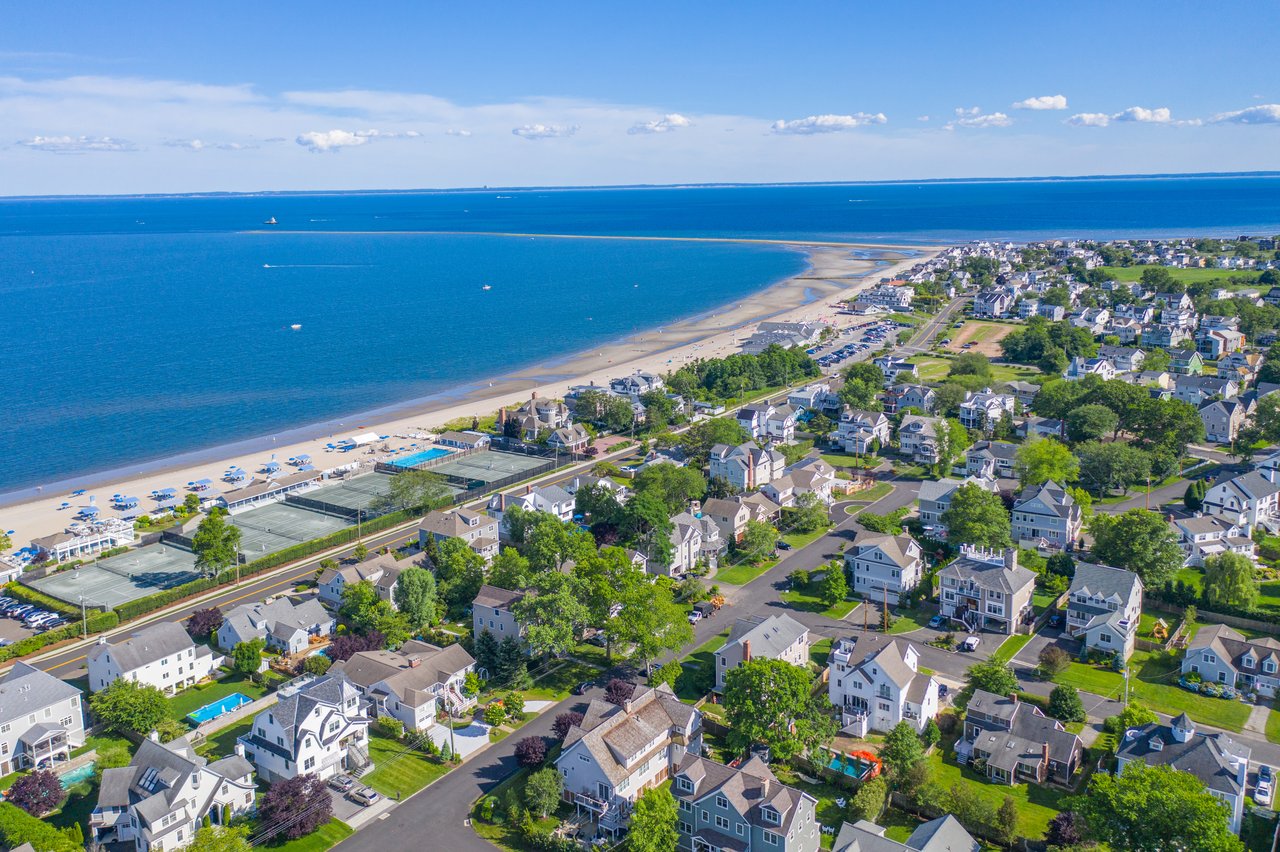
Fairfield’s coastal setting and older housing stock shape inspection priorities. Homes near Long Island Sound may show salt-air corrosion on metal systems and a higher risk of moisture intrusion. That puts extra focus on roofing, flashing, windows, and HVAC components.
Flood zones are another local factor. Parts of Fairfield fall within special flood hazard areas. Flood risk can affect insurance, buyer financing, and disclosure expectations. If your property is in a flood zone, expect lenders to require flood insurance.
Some Fairfield homes use septic systems and private wells, especially on larger lots. Buyers often order septic and well tests in addition to a general inspection. Age also matters. Many local homes were built in the early to mid-20th century, so you may see older electrical systems, galvanized plumbing, or settlement-related issues.
Connecticut sellers generally must complete a Residential Property Condition Disclosure Report and disclose known material defects. For homes built before 1978, federal law requires lead-based paint disclosures. Selling as-is does not remove the duty to disclose known conditions. Work with your agent and local real estate attorney for transaction-specific guidance.
Typical Fairfield costs and common findings
In the Fairfield area, a standard single-family home inspection typically ranges from about $300 to $700. Size, age, and complexity can move that number up or down. Inspectors often find roof wear, plumbing leaks, outdated electrical components, older HVAC units, grading or drainage issues, and signs of water intrusion in basements.
If you add supplemental tests, expect approximate costs like these:
- Radon test: about $100 to $200 for a 48 to 72 hour test. If mitigation is needed, it usually costs several thousand dollars.
- Sewer scope: about $200 to $600 depending on pipe length and access. Useful for older lines or homes with mature trees.
- Septic inspection: about $300 to $600 for evaluation and pumping. Confirm local health department requirements for your property.
- Well water testing: about $100 to $300 depending on the panel of tests.
- Wood-destroying organism inspection: about $50 to $200. Treatment costs vary.
- Chimney inspection or roof certification: chimney about $100 to $300; roof certification by a roofer can be several hundred dollars.
Ordering a few add-ons at once can save time and surface material issues early. Many Fairfield sellers choose radon plus sewer scope, and septic or well testing if applicable.
Pros and cons for Fairfield sellers
A pre-listing inspection offers meaningful benefits. You reduce surprises by spotting issues early. That can help prevent buyers from walking away or delaying the closing. You also keep more control over repairs by choosing contractors and timing before you are under pressure during escrow.
The report can inform pricing strategy. You can complete targeted fixes or price the home to reflect known conditions. In slower segments of the market, sharing a recent inspection or a clean repair summary can boost buyer confidence. Pre-listing inspections also help in more complex sales, such as estate or probate transactions, where documentation matters.
There are tradeoffs. You pay for the inspection upfront and for any repairs you choose to make. Providing a detailed report can give buyers more leverage if you are not addressing items. And lining up tests and contractors can push your listing date if you prefer to finish repairs first.
When it makes sense
Consider a pre-listing inspection if any of these apply:
- Your home is 50 years old or more, or has deferred maintenance.
- You have a septic system, private well, or visible exterior or roofing concerns.
- You want a fast, clean escrow with fewer repair credits.
- The sale is part of an estate, divorce, or FSBO where transparency helps.
- You plan to fund targeted repairs to improve marketability.
You may skip a pre-listing inspection if your home is new or recently renovated with active warranties. It can also be reasonable to price for condition if you will not make repairs, while still meeting disclosure obligations. In very hot markets with heavy competition, some sellers opt out to avoid giving buyers a long issue list. Even then, many agents still recommend inspections for high-value or complex properties.
How to act on the findings
Start by triaging the report. Sort items into three buckets: safety or major system defects to address, cosmetic or low-priority items to disclose and price around, and items to accept as-is with clear disclosure. This helps you direct dollars where they matter most.
For priority issues, get competitive contractor quotes and weigh expected return on investment. Repairs that buyers expect to see addressed, such as a failing roof, a compromised septic system, or active water intrusion, can materially affect saleability and valuation. Consider targeted mitigation if a full replacement is not necessary, such as radon mitigation.
Document everything. Keep invoices, permits, and transferable warranties. If you choose not to fix a material defect, work with your agent and attorney to ensure accurate and complete disclosure on the state form. Clear documentation builds buyer trust and can speed underwriting.
Using concierge-style programs for repairs
If you want to complete repairs but prefer not to pay upfront, some brokerages and third-party services advance the cost of eligible pre-sale improvements. You repay at closing, often as a fee or draw against proceeds. Eligibility, fees, and covered items vary by program.
Compass Concierge is one example of this type of service. Review the specific terms, eligible improvements, and repayment mechanics with your agent. Confirm which items are allowed, whether specific contractors are required, and how the timeline fits your target list date. Make sure any work complies with Town of Fairfield permitting rules and keep final certificates or warranties that buyers’ lenders may require.
How to choose the right inspector
Look for inspectors with membership in recognized associations such as InterNACHI or ASHI. Confirm licensing or registration where applicable in Connecticut, along with general liability and errors and omissions insurance. Local experience matters in Fairfield because of coastal conditions, older foundations, and common building methods.
Ask to see a recent sample report. Quality and clarity matter. A well-structured report with photos and clear recommendations is easier to use in negotiations. Check references or recent reviews, and ask your agent for recommendations. If the general inspector flags possible structural, lead, asbestos, or mold issues, bring in licensed specialists.
What buyers will ask you
Buyers often want to know if you will fix everything and how that affects price. They may ask for permits related to past work, the age and service history of major systems, and whether the property lies in a FEMA flood zone. Be prepared to discuss any known environmental conditions such as radon or moisture.
Having a pre-listing inspection, a repair summary, and a clean disclosure package often answers these questions upfront and helps buyers move forward with confidence.
Quick Fairfield seller checklist
- Pull a current neighborhood snapshot for days on market and sale-to-list trends.
- Order a general home inspection; ask about radon, sewer scope, septic, or well tests as needed.
- Review the report with your agent and attorney. Triage into fix-now, disclose-and-price, or accept-and-disclose.
- If repairing, collect permits, warranties, and invoices. If using a financing or concierge program, confirm terms and timing.
- Prepare your state disclosure forms and decide how you will share inspection and repair documentation with buyers.
The bottom line
A pre-listing inspection is a smart risk-management tool in Fairfield. It helps you control the narrative, invest only where it counts, and move from offer to closing with fewer delays. The upfront cost can pay off in stronger buyer confidence and cleaner negotiations.
If you are weighing a pre-listing inspection or planning which repairs will net the best return, connect with Gina Hackett for a tailored plan and Request Your Home Valuation.
FAQs
Is a pre-listing inspection required in Connecticut?
- No, it is optional, but it can reduce surprises and support cleaner negotiations while you still must complete required state disclosures and lead disclosures for pre-1978 homes.
How long does a pre-listing inspection take and when is the report ready?
- Most inspections take 1 to 4 hours on site, and the written report typically arrives within 24 to 72 hours.
What does a pre-listing inspection usually cost in Fairfield?
- A standard inspection often ranges from about $300 to $700, with add-ons like radon, sewer scope, septic, or well testing priced separately.
Should I do radon, sewer, septic, or well tests before listing?
- It depends on your property; in Fairfield, radon testing is common and septic or well tests are important if applicable, while older homes may benefit from a sewer scope.
If my home is in a flood zone, how does that affect selling?
- Buyers’ lenders often require flood insurance, so expect questions about flood status and premiums and be prepared to provide documentation.
Should I share the pre-listing report with buyers?
- Many sellers share it to build trust; if you do, also share receipts, permits, and warranties for any completed repairs and disclose items you chose not to address.