Imagine starting your day with a quiet shoreline walk, coffee in hand, as the sun lifts over Long Island Sound. By midmorning, you pass strollers and joggers on the path and families settling in near the playground. Afternoons might mean a kayak launch or a quick game on the courts, and evenings are for simple rituals like watching the water change color. If you’ve been picturing a life like this, living near Compo Beach in Westport can make it your every day.
In this guide, you’ll get a clear picture of what life looks like within walking distance of Compo Beach. You’ll learn about daily rhythms, access and amenities, commuting options, housing types, and practical considerations like parking, permits, and flood risk. The goal is to help you decide if the Compo lifestyle fits your routine and priorities. Let’s dive in.
Quick snapshot
- Year-round access: You can walk the beach in every season, with a quieter, local feel in the fall and winter.
- Seasonal rhythm: Summer brings more visitors, active use of the park, and seasonal rules for parking and beach use.
- Family conveniences: You’ll find public spaces for play, picnics, and sports, plus seasonal lifeguards and restrooms.
- Commuting: Metro-North’s New Haven Line serves Westport for New York and Stamford access; driving connects you to I-95, the Merritt Parkway, and Route 1.
- Housing mix: Expect beach cottages, shingle-style coastal homes, Cape Cods, colonials, mid-century properties, and newer rebuilds, often on smaller lots near the water.
The day-to-day rhythm
Living near Compo is about simple, outdoor rituals. Mornings are made for beach walks, dog-walking, and fresh air before school or work. Midday, the park draws a steady flow of families and neighbors who use the playground, courts, and open areas.
In peak summer, you’ll notice more day-trippers and weekend activity. The vibe is energetic, with seasonal lifeguards, fuller parking areas, and a social feel. Off-season, the tone shifts. You get a calmer shoreline, easier parking, and quieter streets that feel like a neighborhood by the water.
Walkability and nearby conveniences
The terrain around the beach is generally flat and comfortable for walking or biking, which makes quick beach access a daily reality if you live close by. Sidewalks and crossings vary by block, so it helps to get a feel for specific streets and routes you’d use most.
You’ll find daily essentials and services within a short drive of the beach area. Many residents combine beach living with easy access to grocery options, cafes, and takeout spots for low-stress weeknights. If you like to keep errands minimal and local, you’ll appreciate how quickly you can move between the shoreline and town conveniences.
Access, rules, and recreation
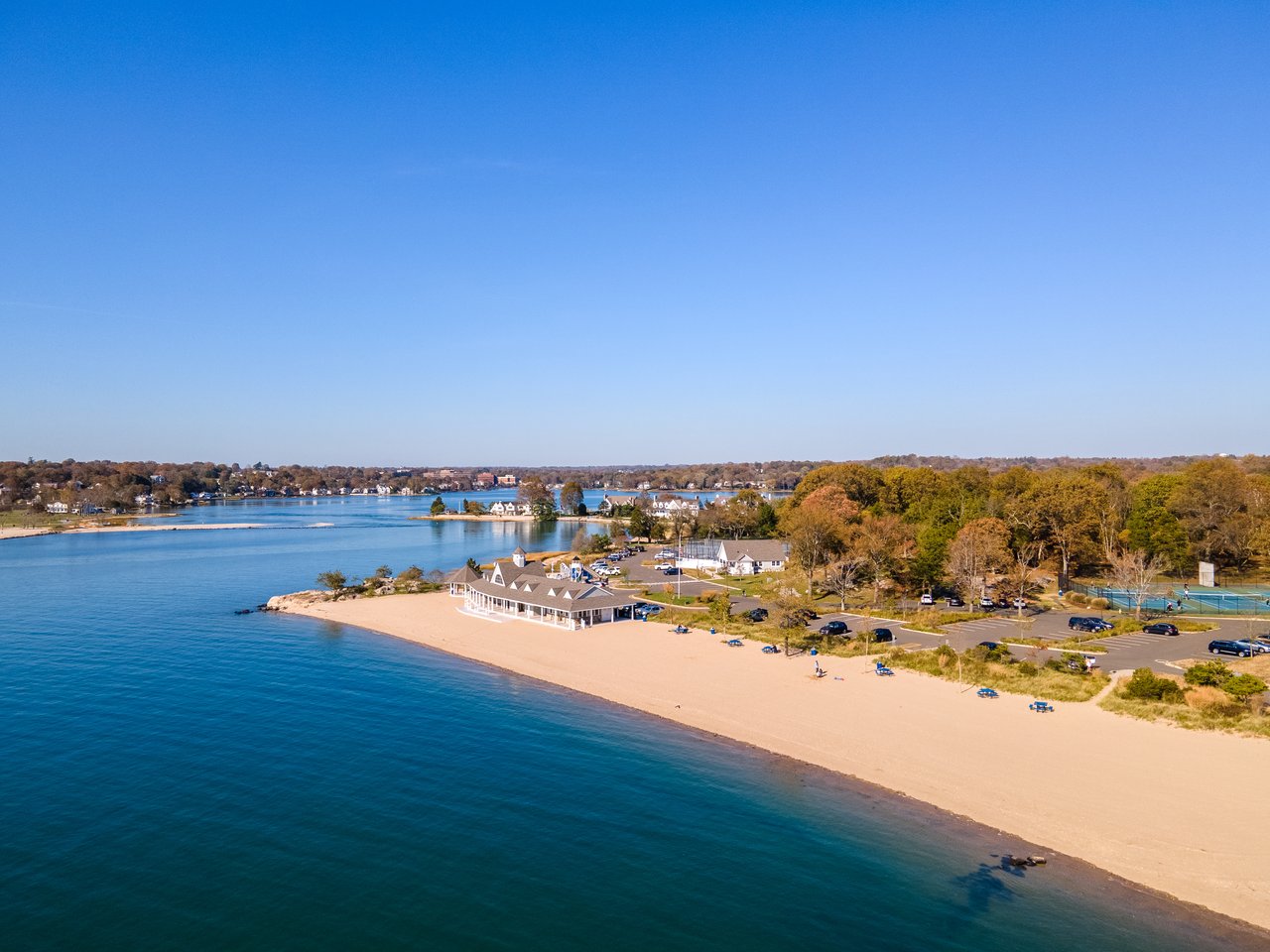
Compo Beach supports a range of activities, from casual walks to structured play and water sports. Public spaces typically include picnic areas, a playground, sport courts, and paths. You’ll also find restrooms and seasonal lifeguards during peak months, with a busier environment on warm weekends.
Parking near the beach follows seasonal rules. Residents typically use permits during the peak season, with enforcement that reflects visitor demand. Guest solutions and nonresident access can vary by season, so it’s smart to review the latest town guidance before summer. Off-season, it’s usually simpler, with lighter traffic and more flexible access.
If you enjoy time on the water, you’ll appreciate the local culture of boating, paddling, and sailing. Nearby marinas, launch points, and seasonal programs make it easy to get out on the Sound when weather cooperates.
Commuting and getting around
For New York and Stamford commuters, Westport is served by stations on Metro-North’s New Haven Line. You can choose express or local trains, depending on your schedule and whether you’re heading to Grand Central or points along the line. Many residents park at the station or coordinate drop-offs, while hybrid schedules allow for a mix of train days and work-from-home days by the beach.
Driving connects you to I-95, the Merritt Parkway, and Route 1. Local roads around the beach can slow down on summer weekends or during popular beach hours, so you’ll plan around peak times when possible. If you’re accustomed to city commuting, the rail option can be a helpful anchor for consistency.
Housing near Compo Beach
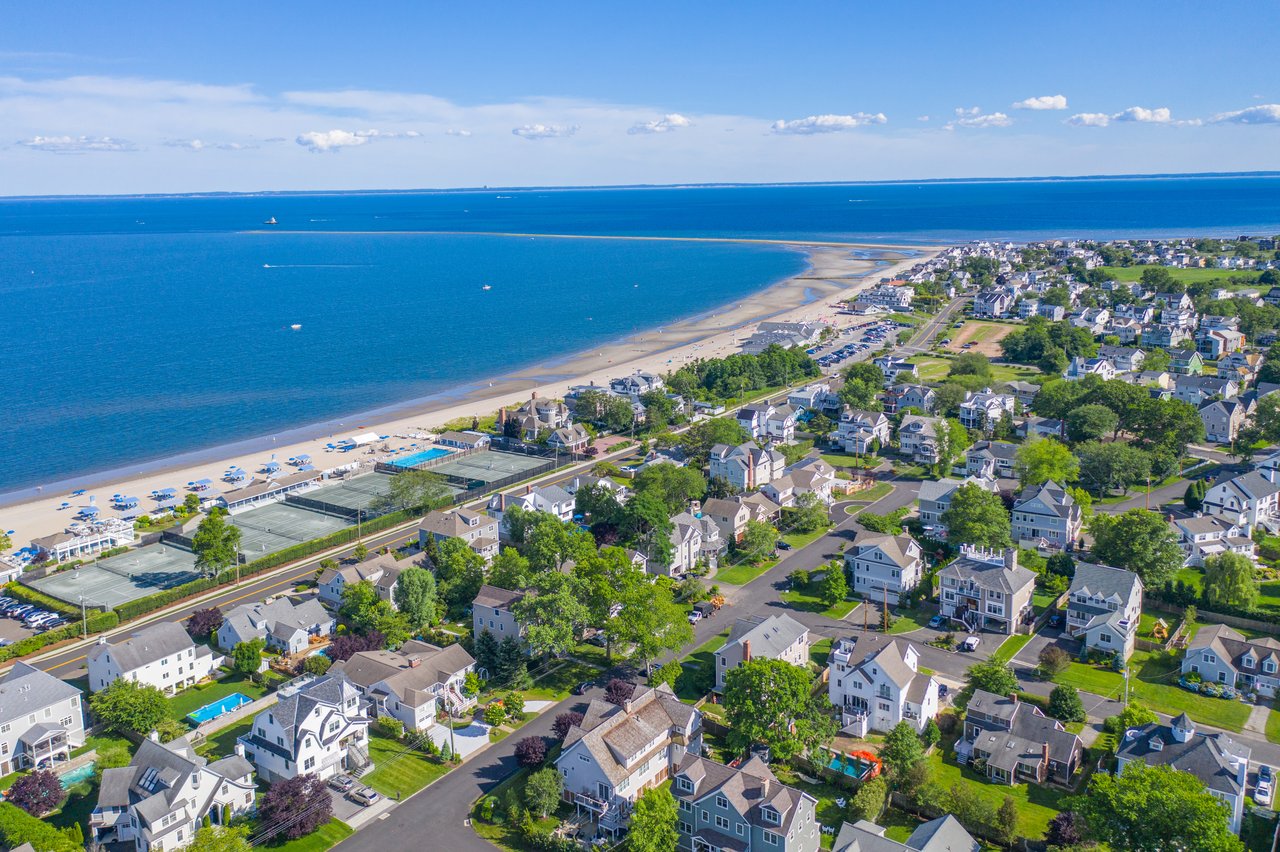
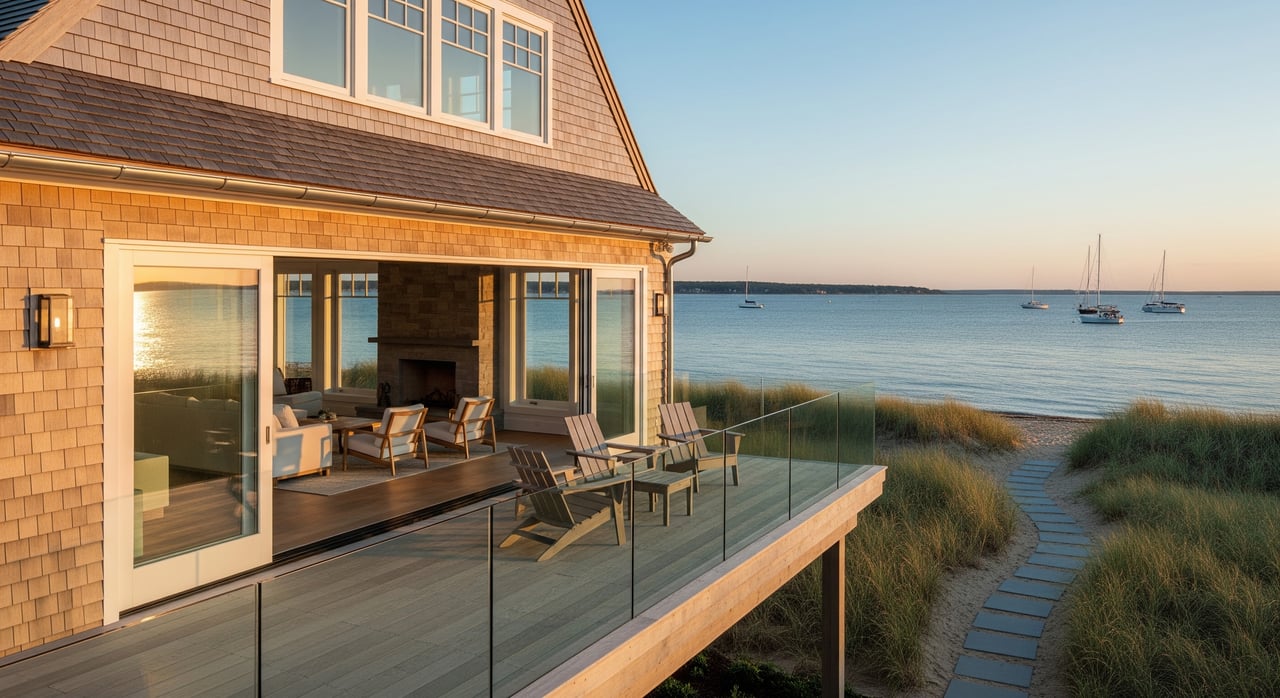
The housing stock within walking distance of the shoreline is varied. You’ll see classic beach cottages, shingle-style coastal homes, Cape Cods, colonials, mid-century properties, and newer custom rebuilds. Many lots near the water are modest in size, and some homes are elevated.
Most near-beach streets are largely single-family. Closer proximity to the water often commands a premium, especially for updated, low-maintenance homes with outdoor living spaces. Inventory can be tight and seasonal, with some homes offered as summer or academic-year rentals alongside year-round residences.
Costs and practical considerations
- Flood risk and insurance: Properties near the shoreline may sit in FEMA-designated flood zones. If a home lies in a Special Flood Hazard Area, lenders typically require flood insurance. Premiums vary by elevation, structure, and coverage. It’s wise to review FEMA maps, a recent elevation certificate if available, and insurance quotes early in your process.
- Building and permitting: Coastal homes come with specific rules for setbacks, elevations, and any work near the water. If you’re planning a renovation or rebuild, factor in timelines for local approvals.
- Maintenance: Salt air, storms, and coastal moisture increase wear on exteriors, roofing, windows, and metals. Budget for more frequent upkeep and routine weatherproofing.
- Seasonal crowds and noise: Summer brings more cars and foot traffic, especially on nice weekends and event days. If you value absolute quiet, look at micro-locations and time your visits to get a feel for peak periods.
- Short-term rentals: Local policies evolve. If rental income is part of your plan, confirm current town rules and any registration or enforcement practices before you buy.
Practical tips for new residents
- Parking and permits: If you plan to host beach days or frequent the park in summer, line up your resident permit early and review guest options. Enforcement periods can impact where visitors park.
- Guest arrival: Share the best routes and drop-off points with friends during peak months to avoid the busiest entrances and lots.
- Safety and comfort: In summer, check lifeguard schedules, bring shade, and plan around midafternoon heat. In winter, dress for wind and cooler shoreline temperatures.
- Try it off-season: Visit on a quiet weekday morning and on a summer weekend afternoon. You’ll see the full spectrum of the neighborhood’s rhythm.
Who thrives near Compo Beach
If you’re drawn to daily access to the shoreline, active outdoor time, and a social summer scene, living near Compo delivers. Commuting families who appreciate train access, local professionals, downsizers seeking a simpler coastal routine, and second-home buyers often see strong lifestyle value here.
The tradeoff is straightforward. You gain a front-row seat to the water and everything that comes with it. In exchange, you embrace the seasonal pace, the practicalities of coastal maintenance, and a premium for proximity. If that balance fits you, Compo Beach living can feel like a personal resort that just happens to be your neighborhood.
Ready to explore specific streets, evaluate flood exposure, and compare near-beach comps? Connect with Gina Hackett for principal-led guidance, neighborhood-by-neighborhood insight, and a tailored plan to buy with clarity.
FAQs
What does “near Compo Beach” mean in practice?
- It usually means a comfortable walk or quick bike ride to the sand, with flat terrain and simple routes, though exact times depend on the block and your pace.
Are summers noisy if I live close to the beach?
- Expect a livelier scene on warm weekends and event days, with more cars and foot traffic; off-season brings a quieter, more local feel.
Do I need a resident permit to park at Compo Beach?
- During peak season, resident permits are typically required and enforced; details and fees are set by the town and can change year to year.
How do commuters get to Manhattan from Westport?
- Most use Metro-North’s New Haven Line for service to Grand Central, choosing express or local trains; driving is an option, but traffic varies by corridor and season.
Will I need flood insurance for a home near the beach?
- If your property is within a FEMA Special Flood Hazard Area and you have a mortgage, lenders generally require flood insurance; premiums vary by elevation and risk.
Can I offer short-term rentals near Compo Beach?
- It depends on current town rules and enforcement; confirm the latest policy and any registration requirements before planning a rental strategy.
Which schools serve the Compo Beach area?
- Addresses near the beach are served by Westport Public Schools; always confirm specific school assignments with the district during your home search.