If you picture Westport coastal living as a once-a-week beach escape, you may miss what actually makes it appealing. In 06880, the shoreline is woven into everyday life alongside errands, train schedules, arts programming, and downtown routines. If you are exploring a move to Westport, especially from New York City, it helps to understand how the town really functions day to day. Let’s dive in.
Coastal Living Means Daily Rhythm
Westport’s appeal is not just about scenic water views or peak summer weekends. The town combines shoreline access with a working daily pattern that includes downtown shopping, dining, community spaces, and commuter infrastructure.
The town highlights access to I-95, U.S. 1, the Merritt Parkway, two Metro-North stations, Amtrak access, and a local commuter shuttle service. That mix helps explain why Westport feels coastal without functioning like a resort town.
Westport Beaches in Real Life
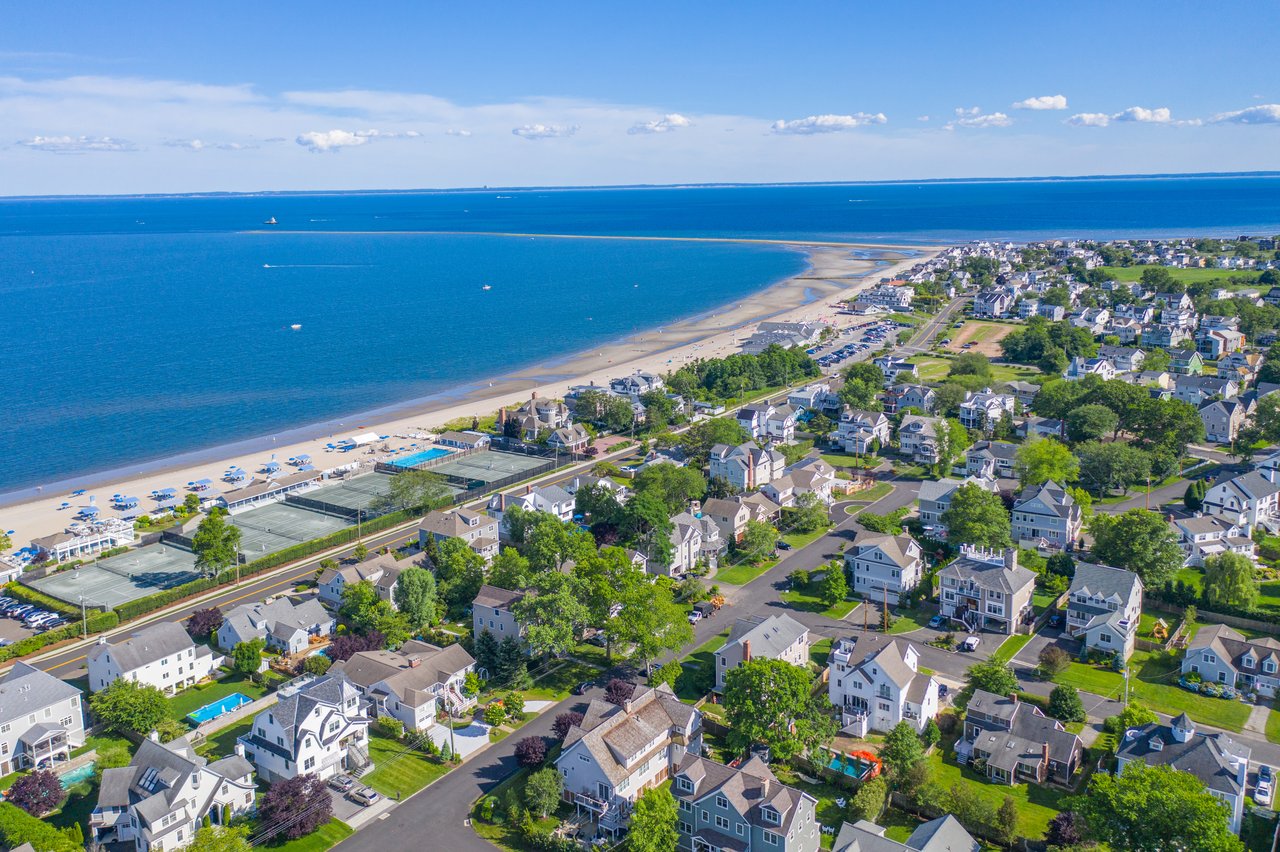
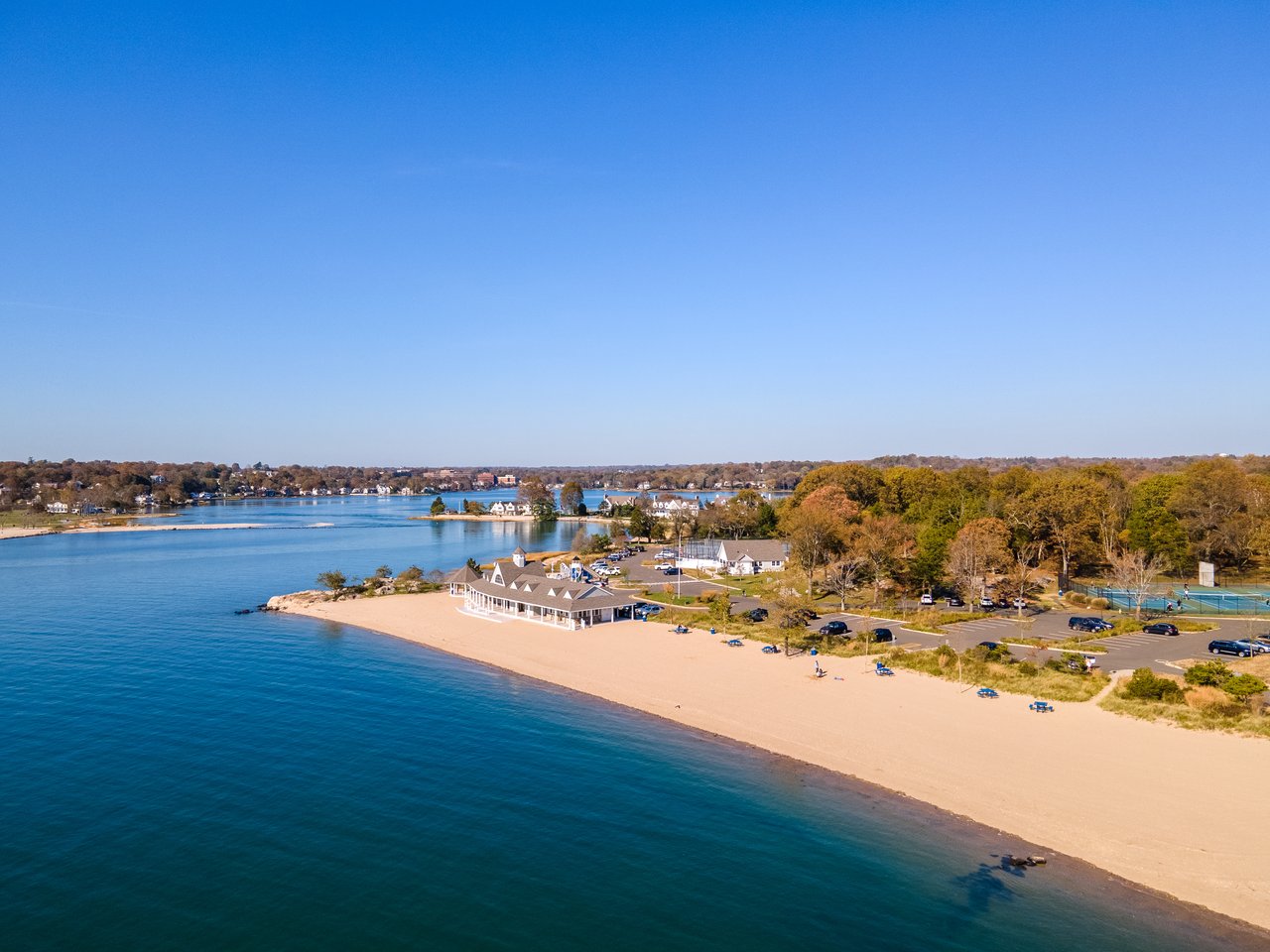
For many buyers, the first image of Westport is Compo Beach. It is easy to see why. Compo is a 29-acre park on Long Island Sound with a boardwalk, pavilion, concession stand, volleyball courts, playscape, bathrooms, lockers, and marina access.
What matters just as much is how beach access actually works. Compo is open year-round, but parking fees apply from May 1 through September 30, and daily passes are capped at 125 per day.
Burying Hill Beach and Old Mill Beach add more shoreline options, but each has its own routine. Burying Hill includes restrooms, changing space, picnic tables, and grills, while Old Mill is smaller, has limited parking, and does not have restrooms or changing facilities.
Rules shape the beach experience more than many first-time visitors expect. Lifeguards are on duty at Compo and Burying Hill from Memorial Day weekend through Labor Day weekend, beach parking emblems are required beginning May 1, and animal restrictions apply at the town beaches from April 1 through September 30.
What to know about beach access
- Compo Beach offers the broadest amenity set and is open year-round.
- Burying Hill has useful day amenities like restrooms, changing space, picnic tables, and grills.
- Old Mill is a smaller, simpler beach experience with limited parking.
- Seasonal parking and emblem rules are part of normal life in town.
A Second Shoreline Option
Westport also includes Sherwood Island State Park, which gives you another way to enjoy the coast. Connecticut identifies it as the state’s first state park, and it is home to Connecticut’s official 9-11 Living Memorial.
The park also allows surf and shore fishing outside swimming areas. For many residents, this adds another layer to coastal living that goes beyond a classic beach day.
Downtown Westport Is Part of the Lifestyle
One of the biggest surprises for newcomers is how closely Westport’s coastal feel connects to its town center. Westport describes two business hubs: Main Street downtown and Saugatuck Center.
Downtown is known for shops, while Saugatuck has a revitalized retail and dining scene. Across town, Westport describes itself as a dining destination with more than 70 restaurant options.
This matters because everyday coastal living is not only about where you spend a Saturday afternoon. It is also about how quickly you can run errands, meet friends for dinner, stop by the library, or move between the train station and town.
Parking is part of daily planning
Parking is a practical part of the Westport routine. The town says downtown includes several public lots, including Baldwin, Parker Harding, and Jesup, with more than 2,000 parking spaces and 1,009 all-day spaces.
At the same time, some curbside rules changed in 2025. On-street parking on Main Street, Elm Street, Church Lane, Bay Street, and Jesup Road was reduced from three hours to two hours between 8 a.m. and 6 p.m., while town-owned lots kept three-hour and all-day options.
For anyone relocating from the city, that is a useful reality check. Westport offers convenience, but it still runs on parking rules, time limits, and location-based routines.
The Library and Farmers Market Add Everyday Texture
The Westport Library is more than a quiet place to borrow books. Located downtown on the Saugatuck River, it includes a café, store, MakerSpace, Library of Things, StoryFest, Verso Studios, and the Trefz Forum.
The library helps anchor the town’s daily flow. It is one of those places that can make a community feel active and connected on both weekdays and weekends.
Town materials also describe a weekly farmers market as part of Westport’s quality-of-life rhythm. Together, these kinds of civic spaces add substance to the idea of everyday living near the coast.
Arts Keep Westport Active Year-Round
A strong coastal lifestyle can lose momentum after Labor Day if a town depends too much on the beach. Westport stands out because arts and cultural programming continue to shape local life well beyond summer.
Westport Country Playhouse serves as a nonprofit theater and community hub for theater, art, ideas, and fellowship. Its Powers Court location is accessible by car, Metro-North, and local bus and shuttle services.
The Levitt Pavilion adds another dimension. Its outdoor programming runs from April through October, and its signature series includes more than 50 free shows under the stars.
MoCA CT brings year-round contemporary visual arts exhibitions, music performances, and arts education to town. Westport’s arts-and-culture resources also include Westport Community Theatre and the Westport Museum for History and Culture.
Why this matters for buyers
These institutions help Westport feel active in every season. If you are considering a move, that year-round rhythm can be just as important as proximity to the water.
A town with coastal access and a strong cultural calendar often feels more balanced on a day-to-day basis. You are not waiting for one season to enjoy where you live.
Commuting From Westport Is Built Into the Routine
For many buyers, especially Manhattan transplants, commuting is a major part of the decision. Westport supports that lifestyle with a practical transportation network, but it is important to understand it clearly.
The Metro-North Westport station on the New Haven Line is accessible and includes elevators, ramps, tactile warning strips, audiovisual passenger information systems, ticket machines, and waiting area hours. The town notes that although many locals call it Saugatuck, the official station name is Westport.
Westport Transit District also provides Wheels2U Westport, an on-demand shared shuttle between homes or offices and the Saugatuck and Greens Farms train stations. In addition, the Coastal Link bus runs along the Route 1 corridor seven days a week through Westport and neighboring towns.
The realistic commuter takeaway
Westport is commuter-friendly, but it is not a no-car environment. Beach access, station parking, and downtown time limits all shape how people move through town.
That does not make the lifestyle less appealing. In many cases, it makes it more understandable. You are getting a coastal Connecticut town with strong connections, not a car-free urban grid and not a vacation enclave.
What Everyday Coastal Living Really Feels Like
The best way to think about Westport is as a place where the coast is part of ordinary life. You might start the day with a train schedule, stop downtown for errands, spend time at the library or farmers market, and head toward the beach or a performance later on.
That blend is what gives Westport its staying power. The water matters, but so do the systems around it: parking, transit, arts venues, civic spaces, and business districts.
For buyers considering 06880, this is often the difference between admiring a town and actually being able to imagine living there. Westport offers a polished coastal setting, but its real strength is how livable it feels throughout the year.
If you are weighing a move to Westport or trying to understand which part of town best fits your routine, working with someone who understands the day-to-day details can make the search much clearer. For tailored guidance on Westport neighborhoods, lifestyle fit, and available homes, connect with Gina Hackett.
FAQs
What makes Westport coastal living different from a beach town?
- Westport blends shoreline access with downtown shopping, dining, arts venues, library programming, parking systems, and commuter infrastructure, so it functions as a full-time living environment rather than a resort-style beach destination.
What beaches are available in Westport, CT?
- Westport has three town beaches on Long Island Sound: Compo, Burying Hill, and Old Mill, plus Sherwood Island State Park as another shoreline option.
What should you know about Compo Beach in Westport?
- Compo is a 29-acre park with a boardwalk, pavilion, concession stand, volleyball courts, playscape, bathrooms, lockers, and marina access, and parking fees apply from May 1 through September 30 with daily passes capped at 125 per day.
How does downtown parking work in Westport?
- Westport provides several public lots downtown with more than 2,000 parking spaces and 1,009 all-day spaces, while some on-street spaces in key downtown areas have a two-hour limit between 8 a.m. and 6 p.m.
Is Westport a good fit for NYC commuters?
- Westport supports commuting with the Metro-North Westport station, access to Greens Farms station, Wheels2U shuttle service, the Coastal Link bus, and road access via I-95, U.S. 1, and the Merritt Parkway.
What can you do in Westport outside beach season?
- Year-round and extended-season options include the Westport Library, MoCA CT, Westport Country Playhouse, the Levitt Pavilion’s April-to-October programming, and other local arts and cultural institutions.