If you are ready for more space, a better commute setup, or a lifestyle upgrade, choosing the right Fairfield County town can feel surprisingly complicated. Fairfield, Westport, Norwalk, Trumbull, Easton, and Weston each offer a different mix of price, setting, and daily convenience. This guide will help you compare Fairfield to nearby towns so you can decide where your next move makes the most sense. Let’s dive in.
Why Fairfield Stands Out
For many move-up buyers, Fairfield lands in a practical middle position. It offers a coastal-suburban mix, three Metro-North stations, access to I-95 and the Merritt Parkway, and a primarily residential setting.
It also has a broad pricing range within town. Current neighborhood medians run from about $699,000 in Stratfield Village to roughly $2.5 million in Greenfield Hill, with the overall median for-sale price around $1.21 million.
That range matters if you want options without changing towns. In Fairfield, you may be able to compare village settings, beach-area homes, and more traditional inland neighborhoods all within one market.
Fairfield vs Westport
Westport is Fairfield’s closest coastal premium peer, but the pricing difference is significant. Westport’s current median sale price is around $2.0 million, and its median list price is about $2.48 million.
Fairfield, by comparison, tends to give you a lower entry point while still offering shoreline access and train service. If you want a coastal lifestyle without stretching all the way into Westport pricing, Fairfield often becomes the more flexible option.
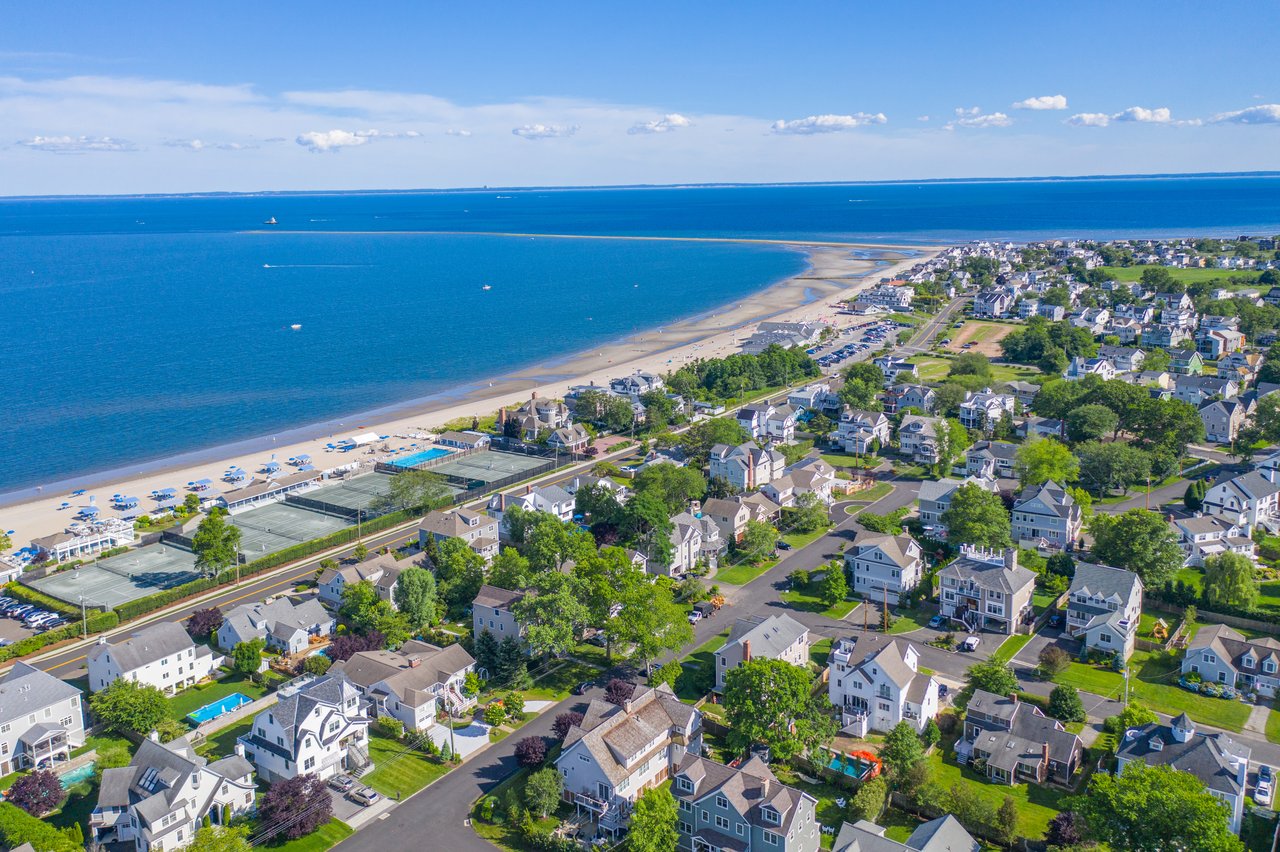
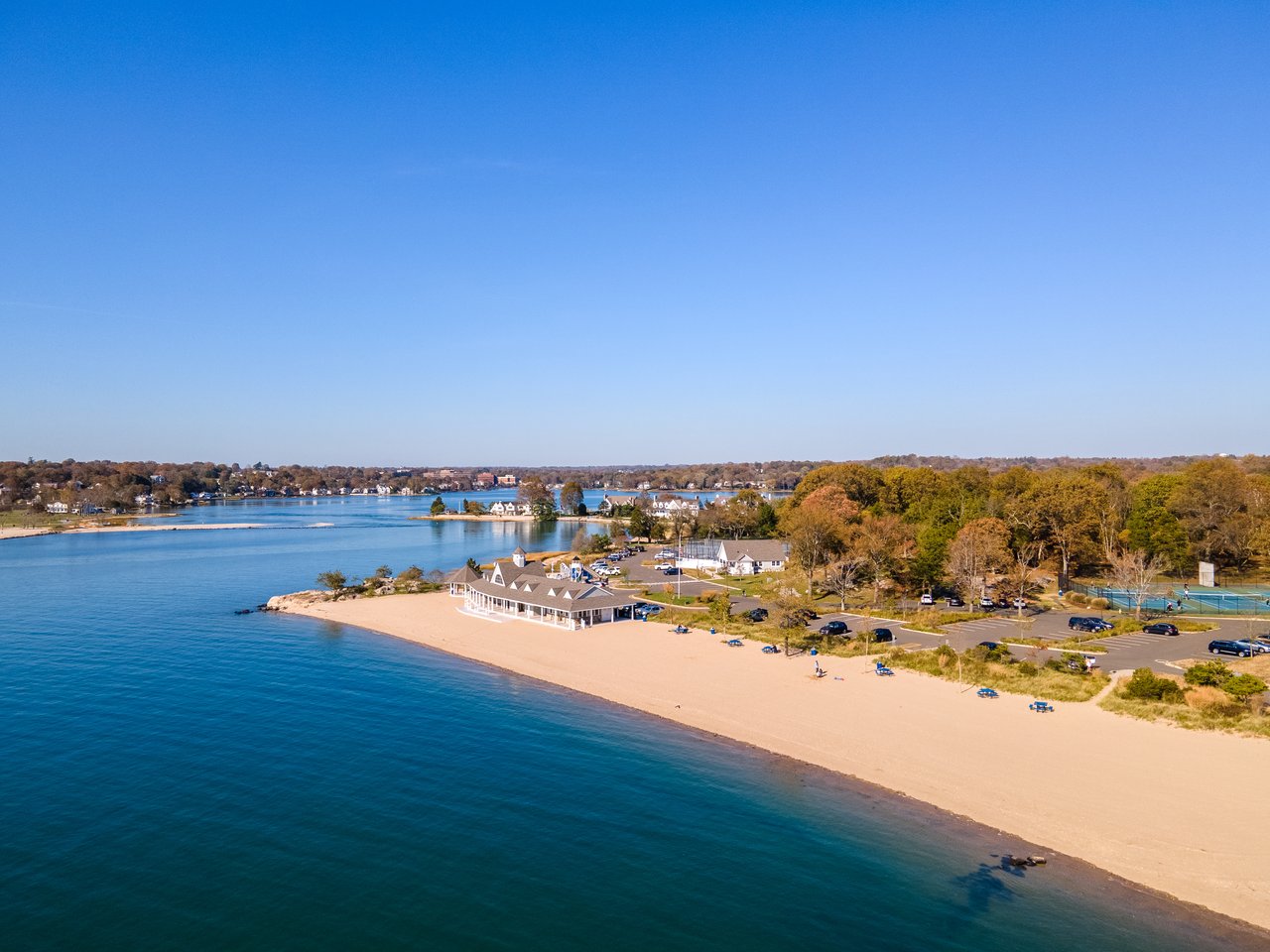
Lifestyle is part of the equation too. Fairfield has five public beaches, one inland lake, two marinas, and more than 1,100 acres of open space, while Westport offers four town beaches and a compact downtown centered on shopping, dining, and culture.
In simple terms, Westport reads as more uniformly premium. Fairfield offers a broader price band and a wider mix of living environments.
Who May Prefer Fairfield Over Westport
Fairfield may be a better fit if you want:
- Coastal access with more price flexibility
- Multiple train stations for commute options
- A true downtown plus additional village centers
- More variety in neighborhood price points within one town
Who May Prefer Westport
Westport may appeal more if you are focused on:
- A higher-end coastal market
- A more compact and premium downtown core
- A market where pricing skews more consistently upscale
Fairfield vs Norwalk
Norwalk offers a very different feel from Fairfield. It is the most urbanized town in this comparison set, with a current median sale price around $645,000 and a median list price around $669,500.
For move-up buyers, Norwalk can be an easier entry point on price. It also offers rail service and local transit, plus South Norwalk as a major dining, retail, and entertainment district.
Fairfield sits higher on the price ladder, but it also offers a less compressed setting. Town profile data shows Fairfield at about 2,065 people per square mile, while Norwalk is denser at about 3,876 people per square mile.
That density difference often translates into lifestyle. Fairfield tends to feel more suburban and village-oriented, while Norwalk offers a more urban rhythm with a broader city feel.
How the Choice Often Comes Down
If your priority is lower pricing and a more urban environment, Norwalk may stand out. If you want a stronger coastal-suburban balance with a more residential feel, Fairfield may be the better match.
Fairfield vs Trumbull
Trumbull is a strong inland alternative for buyers who want a more traditional suburban setting. Its current median list price is around $674,000, which places it well below Fairfield.
The lifestyle tradeoff is clear. Trumbull is centered more on recreation and open space, with about 1,600 acres of town open space and 20 parks, rather than rail service or shoreline amenities.
Fairfield offers more transportation flexibility with Metro-North, I-95, and Merritt access. It also brings coastal features that Trumbull does not, including public beaches, marinas, and an inland lake.
For some buyers, Trumbull works well when the goal is more house for the money in an inland suburban setting. Fairfield usually appeals more when commute options and coastal lifestyle are both part of the wish list.
Fairfield vs Easton
Easton is one of the most distinctive options for move-up buyers because it leans rural and open-space focused. Its current median list price is around $1.20 million, and its median sold price is about $1.00 million.
Price-wise, Easton can overlap with Fairfield. The difference is not mainly budget. It is the type of lifestyle you want day to day.
More than one-third of Easton’s land is permanently preserved, and the town identity centers on farms, trails, and water resources. Fairfield, on the other hand, provides a denser, more village-oriented setting with beaches, train access, and a more layered town structure.
If you want room, quiet, and a rural feel, Easton may be compelling. If you want more built-in convenience and coastal access, Fairfield usually has the edge.
Fairfield vs Weston
Weston is the quiet high-end inland comparison. Its current median sale price is around $2.0 million, putting it much closer to Westport than to Fairfield in terms of pricing.
Like Easton, Weston is defined more by low density and open space than by retail or transit. Town profile data shows about 520 people per square mile in Weston, compared with about 2,065 in Fairfield.
For move-up buyers, that means a different daily experience. Weston offers a quieter, lower-density environment, while Fairfield provides more activity, more transportation options, and a stronger downtown-and-village setup.
If your next move is about privacy and an inland luxury setting, Weston may deserve a look. If you want a more connected town with coastal benefits, Fairfield may offer the better balance.
Price and Lifestyle at a Glance
| Town | Current Price Snapshot | General Setting | Key Lifestyle Notes |
|---|---|---|---|
| Fairfield | Median for-sale price about $1.21M | Coastal-suburban | Three Metro-North stations, five public beaches, downtown plus village centers |
| Westport | Median sale price about $2.0M | Coastal premium | Four beaches, compact commerce and culture core |
| Norwalk | Median sale price about $645K | Urban coastal | Rail, local transit, major dining and entertainment districts |
| Trumbull | Median list price about $674K | Inland suburban | Parks and open space focused, no coastal setup |
| Easton | Median list about $1.20M | Rural/open space | Farms, trails, preserved land, lower density |
| Weston | Median sale price about $2.0M | Inland high-end | Quiet, low density, parks and open space focus |
What Fairfield Offers Move-Up Buyers
Fairfield’s biggest strength is range. You are not choosing just one lifestyle template when you shop here.
Within one town, you can explore different price points, commute setups, and neighborhood settings. That flexibility can be especially helpful if your needs are changing but you still want to protect future resale appeal.
Fairfield also offers strong transportation access. The town’s three rail stations, plus I-95 and Merritt Parkway access, can make it attractive for buyers who want options for commuting and regional travel.
Then there is the lifestyle layer. Five public beaches, one inland lake, two pavilions, two marinas, and more than 1,100 acres of open space give Fairfield a broader amenity mix than many inland alternatives.
Why Resale Matters in This Comparison
When you buy a move-up home, you are usually not just buying for today. You are also thinking about how the property may perform when it is time for your next transition.
Fairfield’s resale story is tied to its broad buyer appeal. The current market snapshot shows about 166 homes for sale, a median for-sale price around $1.21 million, and a 103% sales-to-list ratio.
Because Fairfield spans several price tiers and lifestyle types, it may attract a wider pool of future buyers than a more narrowly defined market. Westport, for example, supports premium positioning but at a much higher price point, while Easton and Weston speak more directly to buyers seeking lower-density inland living.
That is one reason Fairfield often stands out as a middle-market compromise. You can get coast, rail, and a real downtown environment without moving fully into Westport pricing or fully away from the shoreline.
How to Decide Which Town Fits You
The best move-up choice usually comes down to the mix that matters most in your daily life. Start by ranking these factors in order of importance:
- Purchase budget
- Commute and train access
- Coastal access versus inland setting
- Downtown activity versus quieter surroundings
- Need for neighborhood and housing variety
- Long-term resale goals
If you want a balanced answer across most of those categories, Fairfield is often hard to ignore. It does not try to be the least expensive, the most urban, or the most rural option. Instead, it offers a blend that works for many buyers who want more without giving up convenience.
If you are weighing Fairfield against Westport, Norwalk, Trumbull, Easton, or Weston, a local comparison at the neighborhood level can make the decision much clearer. For tailored guidance on where your next move fits best in Fairfield County, connect with Gina Hackett.
FAQs
How does Fairfield CT compare to Westport for move-up buyers?
- Fairfield generally offers a lower price point than Westport while still providing coastal access, train service, and a true downtown environment.
Is Fairfield CT more expensive than Norwalk or Trumbull?
- Yes. Fairfield’s median for-sale price is about $1.21 million, compared with about $645,000 median sale price in Norwalk and about $674,000 median list price in Trumbull.
What makes Fairfield CT appealing for commuters?
- Fairfield has three Metro-North stations plus access to I-95 and the Merritt Parkway, giving buyers several commute options.
How does Fairfield CT compare to Easton and Weston in lifestyle?
- Fairfield is denser and more village-oriented, with beaches, rail access, and downtown activity, while Easton and Weston lean more toward lower-density inland living and open space.
Why do move-up buyers consider Fairfield CT for resale value?
- Fairfield offers a broad price range, multiple neighborhood types, and a mix of coastal, commuter, and downtown features that can appeal to a wide range of future buyers.