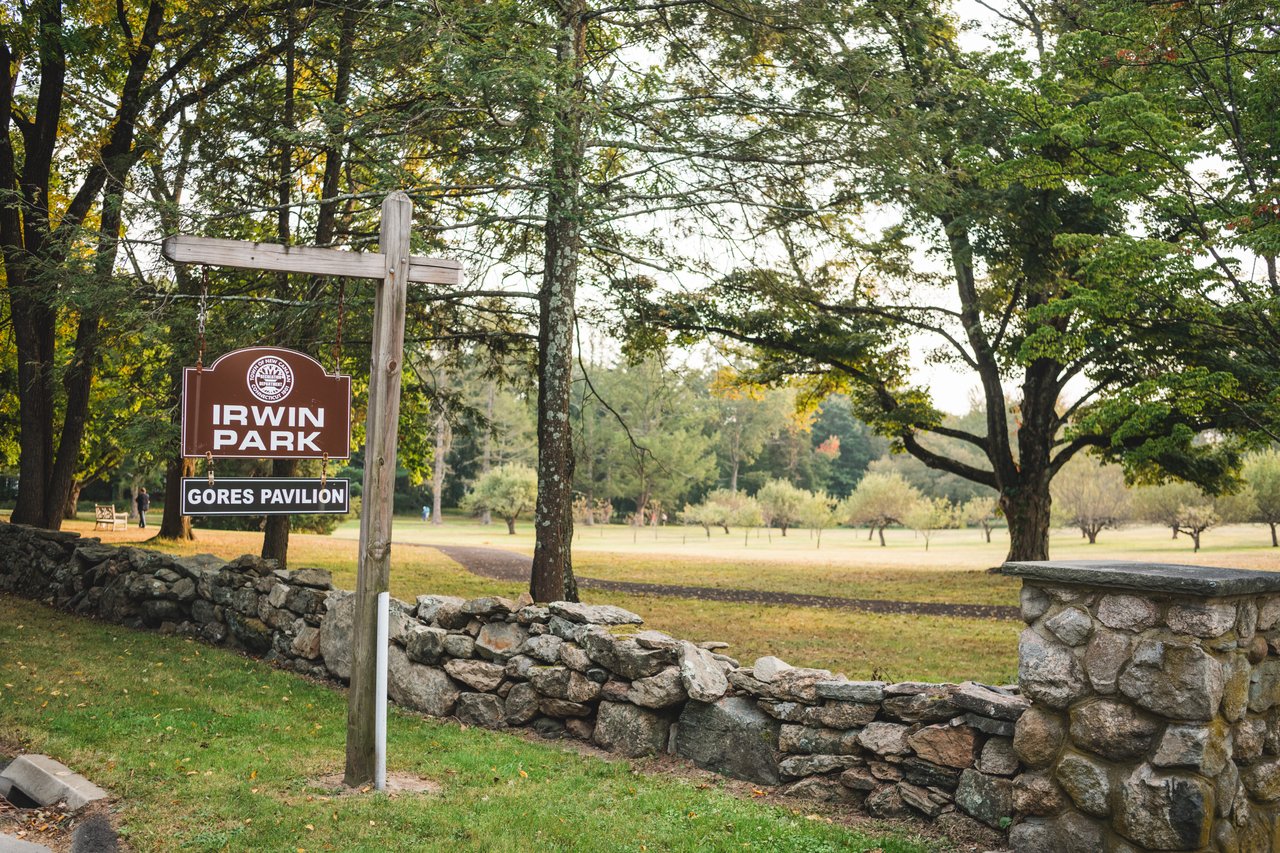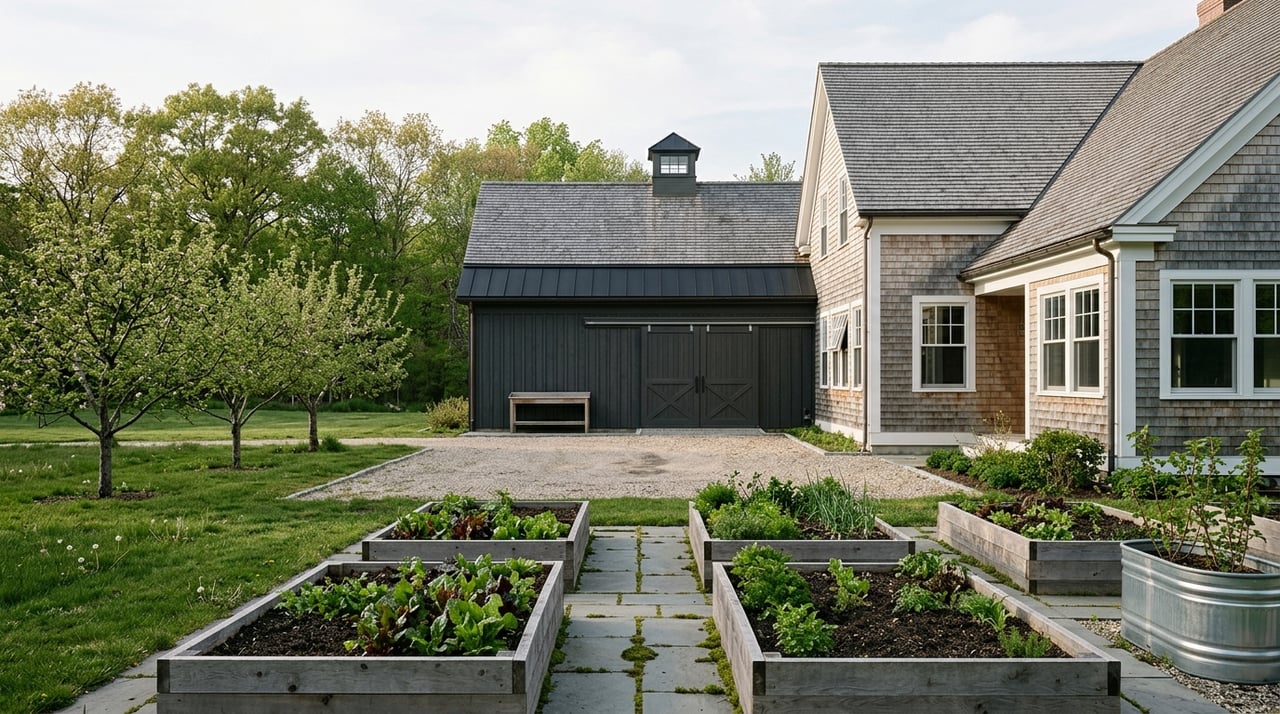
Dreaming about fresh eggs, a big garden, or a small orchard in your own backyard? If you are considering a hobby farm lifestyle in Easton, CT, you are not alone. Easton stands out in Fairfield County for its active farm culture, preserved open space, and semi-rural character, but the right property still depends on the details. This guide will help you understand what makes Easton appealing, what local rules actually allow, and what to look for before you buy. Let’s dive in.
Why Easton Appeals to Hobby Farm Buyers
Easton offers more than just larger lots and a country feel. The town identifies itself as home to more than 20 working farms, and more than one-third of its land is permanently preserved. Its open-space plan reports 7,724 acres of protected open space, which gives the town a strong agricultural and land-conscious identity.
That matters if you want a property that supports a slower, land-based lifestyle. In Easton, farming is not a novelty. It is a visible part of the community, supported by the town’s Agricultural Commission, which is charged with promoting and encouraging agriculture.
The town’s public farm listings also show a wide range of agricultural activity. You will find orchards, Christmas tree farms, dairy and egg producers, honey operations, produce farms, mulch and topsoil suppliers, equine services, and more. For buyers, that variety signals a local culture where small-scale agriculture is already part of daily life.
What “Hobby Farm” Means in Easton
In Easton, “hobby farm” is more of a lifestyle term than a formal zoning category. What matters is how the property and your intended use fit the town’s zoning definitions for agriculture, farm, livestock, farm stand, and accessory structures.
Easton defines agriculture broadly. The code includes cultivation, livestock, bees, poultry, maple syrup, processing, packing, and direct sale of farm commodities. It also defines a farm as land whose principal use is agricultural, including farm buildings, truck gardening, and keeping livestock.
This is good news if you are picturing a small garden, chickens, bees, or a few agricultural features on a residential property. Still, broad definitions do not mean every parcel will work the same way. The lot itself, the setbacks, and site conditions all matter.
What Easton Allows on Residential Properties
Many buyers start with the same practical questions. Can you have chickens? Can you build a coop? Can you sell produce from your property? In Easton, the answer may be yes, but the rules are specific.
Keeping Chickens and Animals
Easton allows the keeping of chickens, horses, livestock, and other animals on a farm or as an accessory use to a residence. That use must follow Connecticut General Statutes Section 19a-341 and generally accepted agricultural practices from the Connecticut Department of Agriculture.
That means the town does allow animal-related uses in the right setting. It also means you should not assume every residential parcel is equally suited for them. Practical site conditions still matter.
Adding a Coop or Small Farm Structure
Easton specifically allows certain minor accessory farm structures. These can include a garden house, tool house, small processing shed, chicken coop, horse shelter, and feed or water units.
There are limits. These structures must be under 200 square feet, cannot sit on a permanent foundation, and cannot be used as a residence. If your vision includes a modest setup, this can be a helpful fit.
Selling Produce from a Farm Stand
Easton allows a minor farm stand, which can work well for a small garden or seasonal growing setup. The stand must be on the same property where a majority of the items for sale are grown.
The stand must also stay within 200 square feet unless it is inside an existing building. It must meet standards related to roads, lot lines, parking, and sightlines, so placement is just as important as the structure itself.
Planning for a Larger Farm Store
If you are thinking bigger, Easton draws a clear line. A farm store must be accessory to a farm of at least 25 acres and requires a special permit.
For many buyers, that means a smaller Easton property is better matched to a lifestyle garden, small orchard, coop, or modest stand than to a formal retail farm operation. Setting the right expectations early can save time and frustration.
Lot Size Is Only Part of the Story
A large parcel may sound ideal, but paper size and usable size are not always the same. In Easton, buildable area excludes wetlands and watercourses, so a property can feel much smaller once those constraints are factored in.
This is one of the biggest issues for hobby farm buyers. A listing may mention acreage, but what really matters is how much open, workable land you can actually use for gardens, animals, structures, and access.
Easton’s residential zoning districts also shape what is possible. Residence A requires a minimum lot area of 40,000 square feet, while Residence B requires 3.0 acres. Both districts generally include a 50-foot front yard setback and 40-foot side and rear setbacks.
Property Features That Make a Parcel More Workable
If you are serious about a hobby farm lifestyle, focus on function as much as beauty. The most useful parcel is usually one with open, contiguous land that can support your day-to-day plans.
Here are some of the features that tend to matter most:
- Enough open area for gardens, orchard rows, compost, coops, or a small shelter
- Space to meet setback requirements from the road and neighboring properties
- Good vehicle access for mulch, feed, fencing, equipment, or customer parking if allowed
- Manageable drainage, since wet or muddy ground can create problems for both gardens and animals
- Existing barns, sheds, or outbuildings that may work within current zoning rules
These are practical points, but they can make or break your experience. A beautiful field from the road may not be the easiest parcel to maintain once drainage, slope, and usable layout come into focus.
If Animals Are Part of the Plan
If you want to keep animals, the property needs to work for more than appearance. Connecticut livestock guidance says zoning should focus on site suitability, including slopes, soils, sewage disposal areas, wells, surface water, and effects on adjacent properties.
The same guidance emphasizes setbacks, buffers, manure and nutrient management, and drainage. In simple terms, not every open piece of land is a strong animal parcel. A property that works well for chickens or horses usually needs careful review before you move forward.
Easton’s Farm Culture Adds Real Value
One reason Easton continues to stand out is that the town already supports a wide range of agricultural uses. Public farm listings show activity tied to produce, orchards, Christmas trees, dairy, eggs, honey, flowers, compost, topsoil, livestock, and equine services.
That existing farm culture does not replace zoning or due diligence, but it does offer something valuable. You are looking in a town where agriculture is visible, established, and woven into the local identity. For many buyers, that makes the hobby farm lifestyle feel more realistic and sustainable.
Important Planning and Tax Considerations
Before you buy, it is important to separate lifestyle goals from legal and financial realities. A parcel may feel perfect, but you still need to verify how local rules apply to your intended use.
Understanding Right to Farm
Connecticut’s Right to Farm law protects qualifying agricultural operations from certain nuisance claims related to ordinary farm impacts such as odor, noise, dust, and some water-quality issues. To qualify, the operation must generally have been in place for at least one year, not been substantially changed, and follow generally accepted agricultural practices.
This is an important distinction for buyers. Zoning permission and nuisance protection are related, but they are not the same thing.
Looking Into PA 490 Classification
PA 490 can also matter if you are buying land with agricultural potential. The Connecticut Department of Agriculture explains that qualifying farm, forest, or open-space land may be assessed at use value rather than fair market value.
In Easton, farm applicants must submit an application, supporting documentation, and complete an on-site inspection. The town also notes that PA 490 classification does not override local zoning, conservation, building, or health regulations, and the state notes that conveyance tax issues can arise if land leaves classification within the statutory period.
Due Diligence Before You Buy
If Easton is on your shortlist, your homework should go beyond the house itself. A serious hobby farm purchase needs a close review of both the land and the local approval process.
Before moving forward, consider confirming:
- Current zoning and how your intended use fits local definitions
- Wetlands or watercourse constraints on the parcel
- Setbacks and available buildable area
- Existing outbuilding compliance
- Health, septic, and well considerations where relevant
- Any requirements tied to animals, structures, or produce sales
- Assessor questions related to PA 490 if applicable
This kind of review can help you avoid buying a property that looks ideal in photos but does not support your actual plans.
Is Easton Right for Your Hobby Farm Goals?
Easton is a credible choice if you want a hobby farm lifestyle in Fairfield County. The town has a real agricultural identity, substantial preserved open space, and zoning language that supports small-scale agriculture in residential settings.
The key is matching your goals to the right parcel. If you want a garden, chickens, a few fruit trees, or a small stand, Easton may offer strong possibilities. If you want a more formal farm operation, the property search and due diligence become even more important.
If you are exploring Easton or other Fairfield County towns and want help finding a property that fits your lifestyle goals, Gina Hackett offers thoughtful, local guidance tailored to the way you want to live.
FAQs
Can you have chickens on a residential property in Easton, CT?
- Yes. Easton allows chickens and other animals on a farm or as an accessory use to a residence, subject to applicable state law and generally accepted agricultural practices.
What counts as a hobby farm in Easton, CT?
- Easton does not use “hobby farm” as a separate zoning category. It is better understood as a lifestyle term that may involve agriculture, livestock, accessory farm structures, or small-scale produce sales, depending on the property.
Can you build a chicken coop on an Easton, CT property?
- Yes, Easton allows certain minor accessory farm structures, including chicken coops, as long as they are under 200 square feet, not on a permanent foundation, and not used as a residence.
Can you sell produce from your property in Easton, CT?
- Yes, a minor farm stand is allowed if most of the items sold are grown on the same property and the stand meets size, placement, parking, and sightline requirements.
Does a large lot automatically work for a hobby farm in Easton, CT?
- No. Wetlands, watercourses, setbacks, drainage, and usable buildable area can all affect how much of the parcel is actually practical for gardens, animals, or structures.
What should buyers verify before purchasing a hobby farm property in Easton, CT?
- Buyers should confirm zoning, wetlands, setbacks, buildable area, outbuilding rules, health and septic considerations, and any requirements related to animals, produce sales, or PA 490 classification.